
AI Abandoned Cart Recovery Tools for Small Business: 7 Tools Tested (2026)
TL;DR: AI abandoned cart recovery tools for small business win back shoppers who leave without buying — and the best ones do it before you spend a cent. Start free with Shopify Messaging, Omnisend, or Retainful, add Klaviyo when your list grows, and only pay for SMS or AI voice calls once email alone stops paying for itself.
Black Friday is two weeks away, and this is the week to fix your recovery flows. A piece published today by Stacker and Wix puts it plainly: “AI agents can help you find the shoppers actually worth your time this Black Friday,” says Omer Gerhard, team lead at Wix e-commerce.
In this guide: the seven tools I checked this week, with real prices and a worked ROI example.
How we tested
I read the official pricing and help pages for all seven tools in November 2026, plus their Shopify App Store listings. I ran no card-walled trials; every recovery rate here is the vendor’s own claim.
How big is the problem?
About seven in ten carts get abandoned: Baymard Institute puts the average documented rate at 70.22%, across 50 studies — and 42% of abandoners said they were browsing. The top reason people leave is extra costs revealed late: shipping, tax, fees. Fix that first.
1. Klaviyo — the best all-rounder once you’re selling steadily
Verdict: worth it. Free covers 250 active profiles and 500 emails a month. Paid email starts at $20 a month for 251–500 profiles with 5,000 sends; SMS is a separate add-on, roughly $35 a month for email-plus-SMS per independent 2026 pricing checks.
Watch the billing: since February 2025 you pay for every active profile, including cart abandoners who never gave you an email.
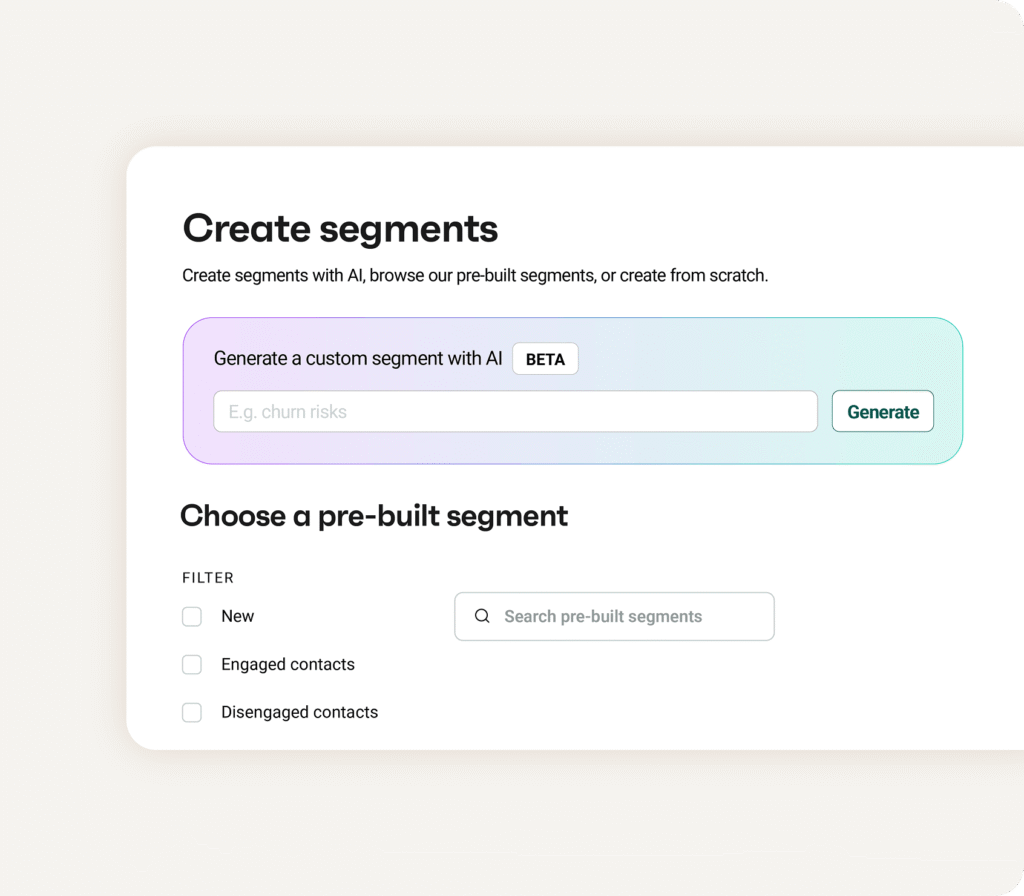
Deepest kit here: ready-made abandoned cart and checkout flows (different triggers — run both), predictive segments, and Smart Send Time. Klaviyo’s own benchmark data puts abandoned cart flows at a 3.33% placed-order rate — its data from 143,000+ flows, not mine.
Best for: growing Shopify and WooCommerce stores.

2. Omnisend — the best free plan for a small store
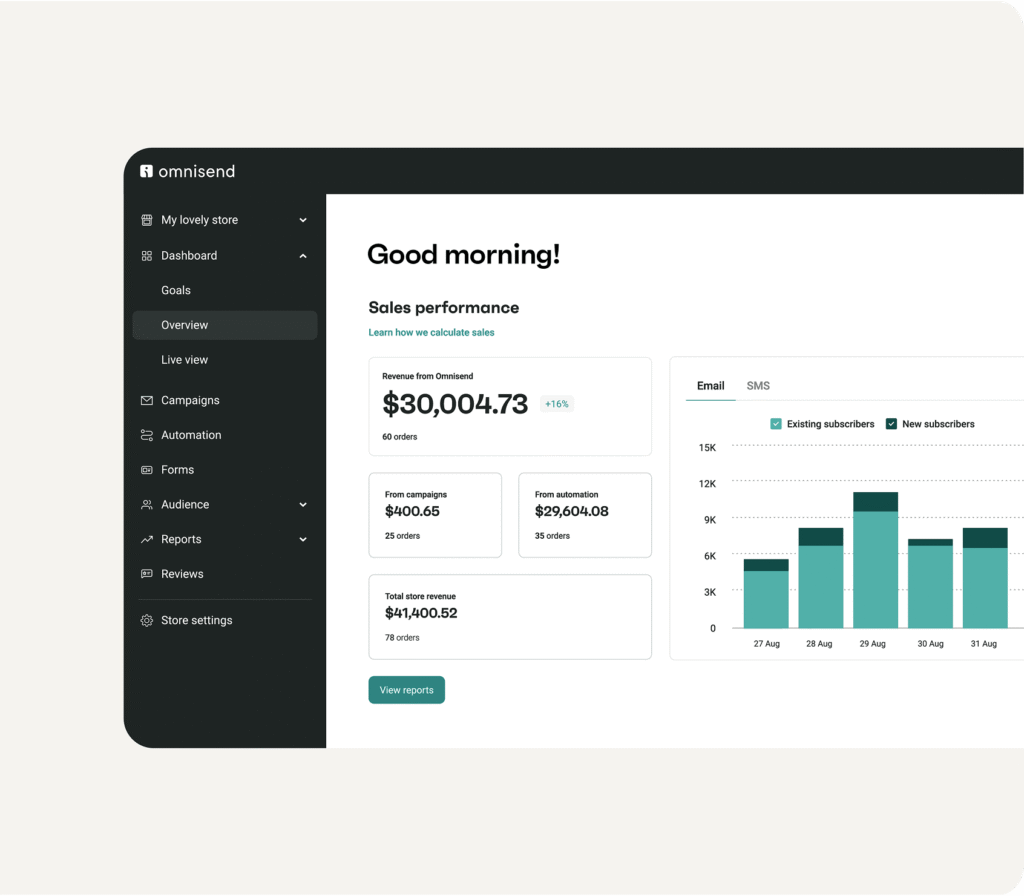
Verdict: worth it. Free covers 250 contacts, 500 emails a month, and 500 web push notifications, with every feature switched on. Standard starts at $16 a month (500 contacts, 6,000 emails) and Pro at $59 a month with unlimited emails and SMS from $0.007 a message.
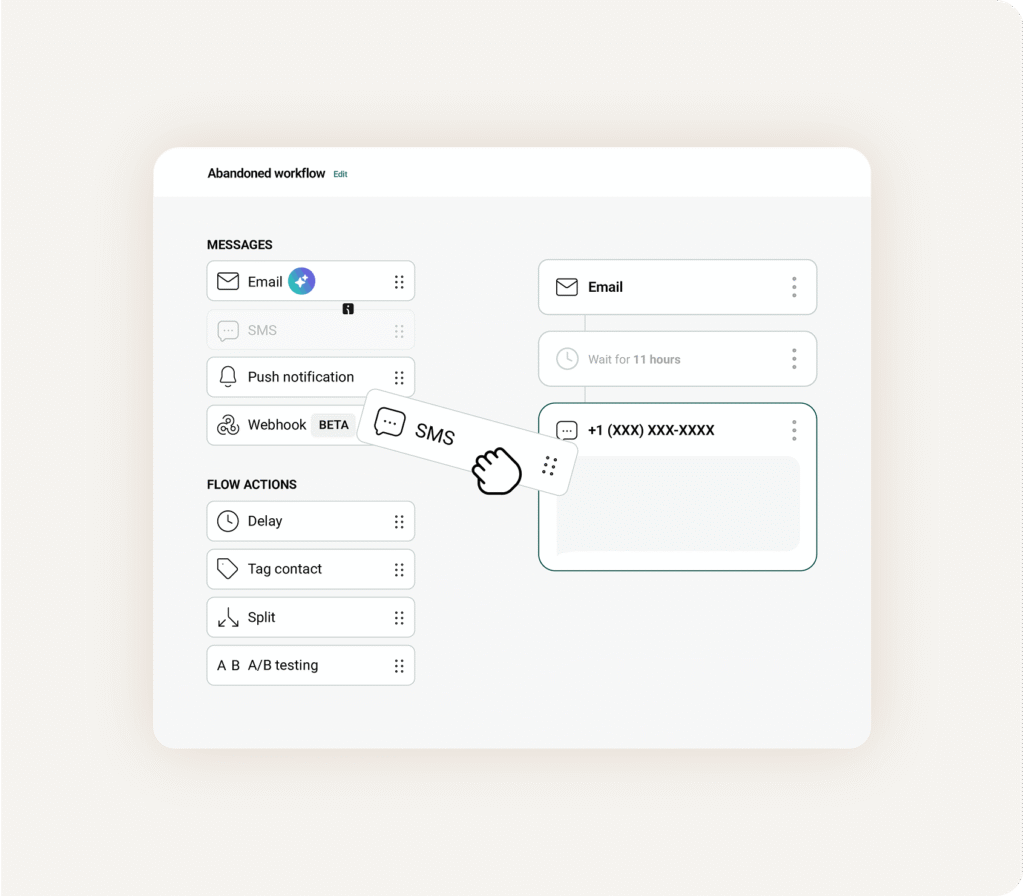
Two things to know: SMS is Pro-only for accounts created after 4 May 2026, and it bills only on contacts who receive automated messages. Its AI adds a product recommender and personalised send times. Omnisend’s own 2025 data puts its abandoned cart emails at a 1.72% placed-order rate. It plugs into Shopify, WooCommerce, BigCommerce, and Wix. More in our guide to AI email marketing tools for small business.
Best for: new small stores.
3. Recart — powerful, but priced for stores already doing volume
Verdict: skip it until you’re big. Recart used to be a self-serve Messenger app. Today it’s a managed SMS service for Shopify brands, with a dedicated manager who builds your campaigns and runs your flows.
Starter is $299 a month on a 12-month term, and SMS is billed separately at roughly $0.0100 a message plus a $0.003 carrier fee. There’s a 7-day free trial, but no usable free tier. You’re paying for the OneClick pop-up, which lets mobile shoppers join your SMS list in one tap (Recart claims 10–20% pop-up conversion — its claim), and a team that does the work. The App Store rating is 4.7 stars from 491 reviews. But at $299 a month before a single text is sent, the maths only works with high order values and hundreds of carts a month.
Best for: high-volume Shopify stores.
4. Retainful — the best free route for WooCommerce stores
Verdict: worth it. Retainful answers the gap in almost every other roundup: what if you’re not on Shopify? It’s built for Shopify and WooCommerce. Free is $0 forever with 500 emails a month, every feature switched on: unlimited workflows, campaigns, forms and pop-ups, and 200+ templates. Paid starts at $14 a month for up to 1,000 contacts and 10,000 emails, then adds $4 per extra 500 contacts.
WhatsApp is the quiet bonus: Retainful charges nothing for it — you pay Meta directly, with no markup. Retainful claims its users recover up to 30% of abandoned carts — the vendor’s claim; treat it as a best case. Scope is the trade-off: Shopify and WooCommerce only.
Best for: WooCommerce stores and small Shopify stores.

5. Callsy — AI voice calls for the carts worth a phone call
Verdict: worth testing on your highest-value carts. When someone abandons checkout, Callsy’s AI voice agent calls them within minutes, talks through the hesitation, then follows up by SMS with a one-tap checkout link and a discount code.
Pricing needs care: Callsy publishes two price lists. The Shopify app charges $29 a month for 50 calls and 50 SMS on Starter, $99 for 200 calls on Pro, and $199 for 500 calls on Scale, with a free tier of 10 calls a month. Callsy’s website sells a broader AI-agent platform at €49 a month (launch price, list €99).
A call is too much for a $25 order, cheap for a $200 one. Callsy publishes sample call cards showing an 18% recovery lift — a vendor figure, so treat it as the optimistic end of the range. In the US, marketing calls using an AI voice need prior express written consent, and in the EU the caller must be told upfront they’re speaking to an AI.
Best for: high average order values.
6. Tidio (Lyro AI) — catch them before they abandon
Verdict: worth it as a second layer, not your only recovery tool. Tidio tries to stop the abandonment happening. Lyro, its AI agent, answers shipping questions, checks order status, recommends products, and fires exit-intent and cart-nudge messages while the shopper is still on the page. Tidio says Lyro resolves 75% of conversations on average — its figure.
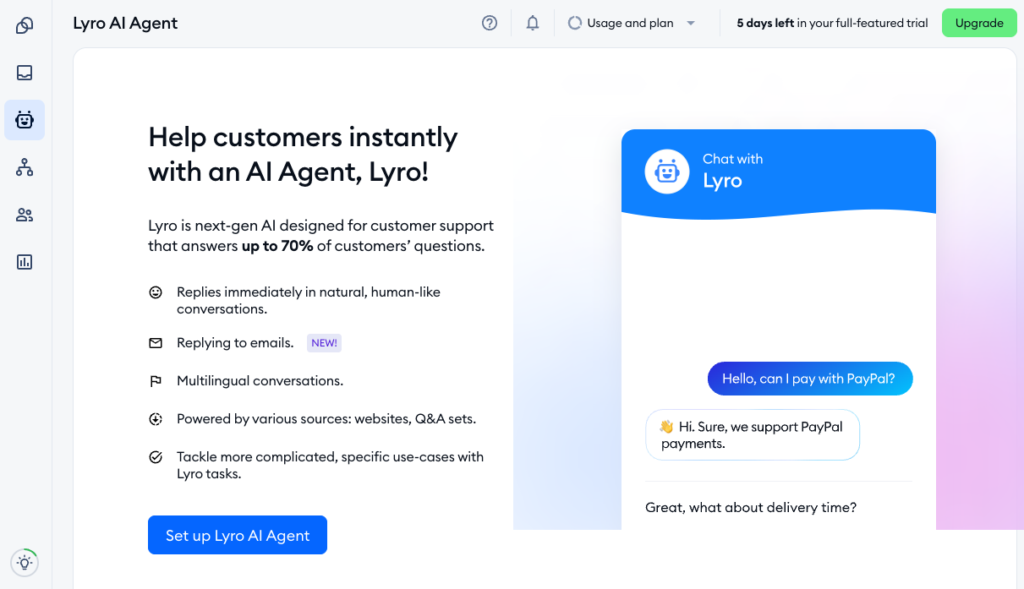
Lyro is metered separately from live chat: free gives you 50 billable conversations a month and 50 Lyro conversations once, ever — not monthly. Starter is $29 a month ($24.17 billed annually); Growth starts at $59 a month ($49.17 annually); Plus starts at $300 a month plus usage. The Lyro add-on starts at $39 a month for 50 conversations ($32.50 annually). Tidio runs on Shopify, WooCommerce, WordPress, and Wix. More in our guide to the best AI live chat software for small business.
Best for: stores losing sales to unanswered questions.
7. Shopify Email + Sidekick — the free starting point you’re already paying for
Verdict: worth it — start here if you’re on Shopify. Shopify’s email tool, now called Shopify Messaging, is the cheapest recovery flow that exists: it’s inside your admin, and the first 10,000 emails a month are free. After that you pay $1 per 1,000 emails. Abandoned checkout emails are always free. Sidekick, Shopify’s built-in AI assistant, drafts the copy and suggests send times — but only inside Shopify, and the flows are simpler than Klaviyo’s.
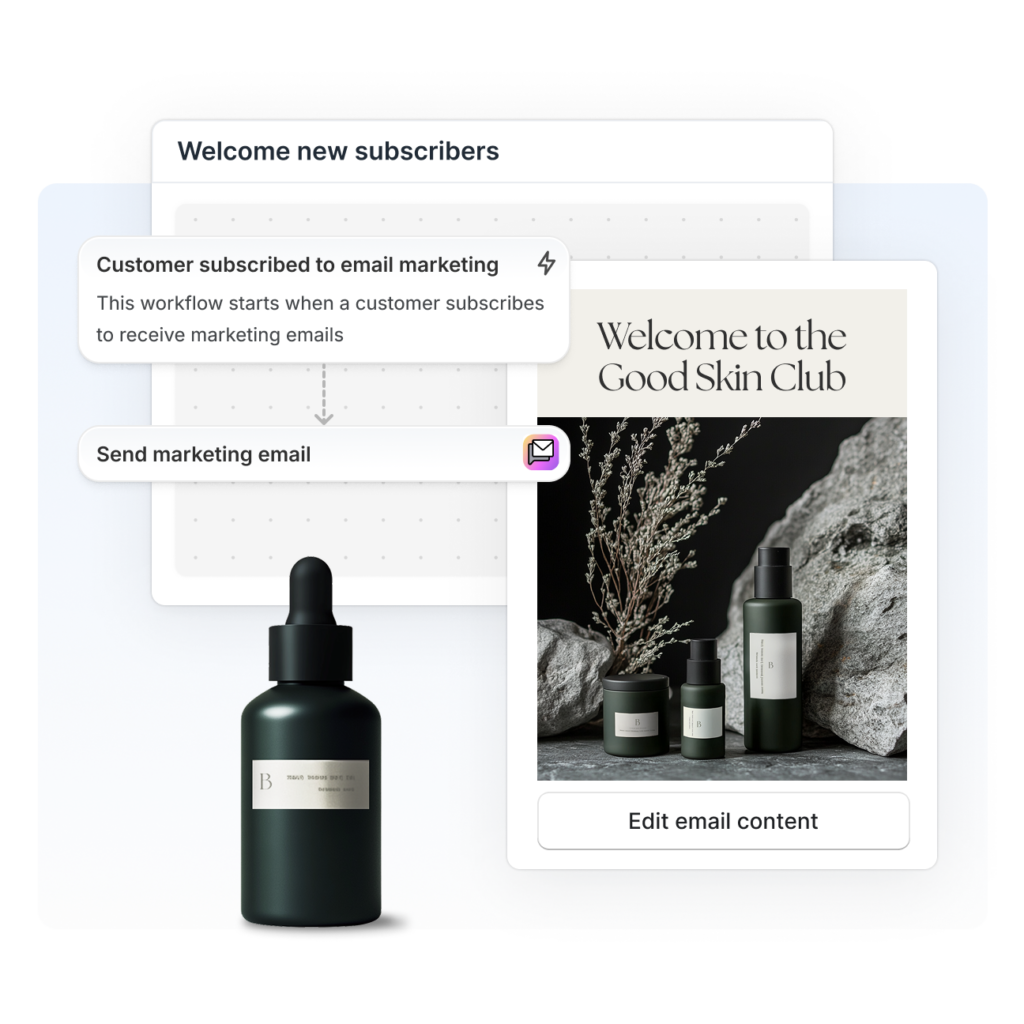
Then came Shopify’s Fall ’26 Edition, “Exponential”, released 28 October 2026 with 150+ updates. Shopify Messaging can now collect WhatsApp marketing consent at checkout and send automated WhatsApp recovery messages. Shop’s universal checkout syncs carts across devices, and staff can finish an abandoned cart at the POS. Shopify also shipped connectors for nine AI agents, including ChatGPT, Claude, and Gemini. Many features are still rolling out or US-only, so check your own admin first.
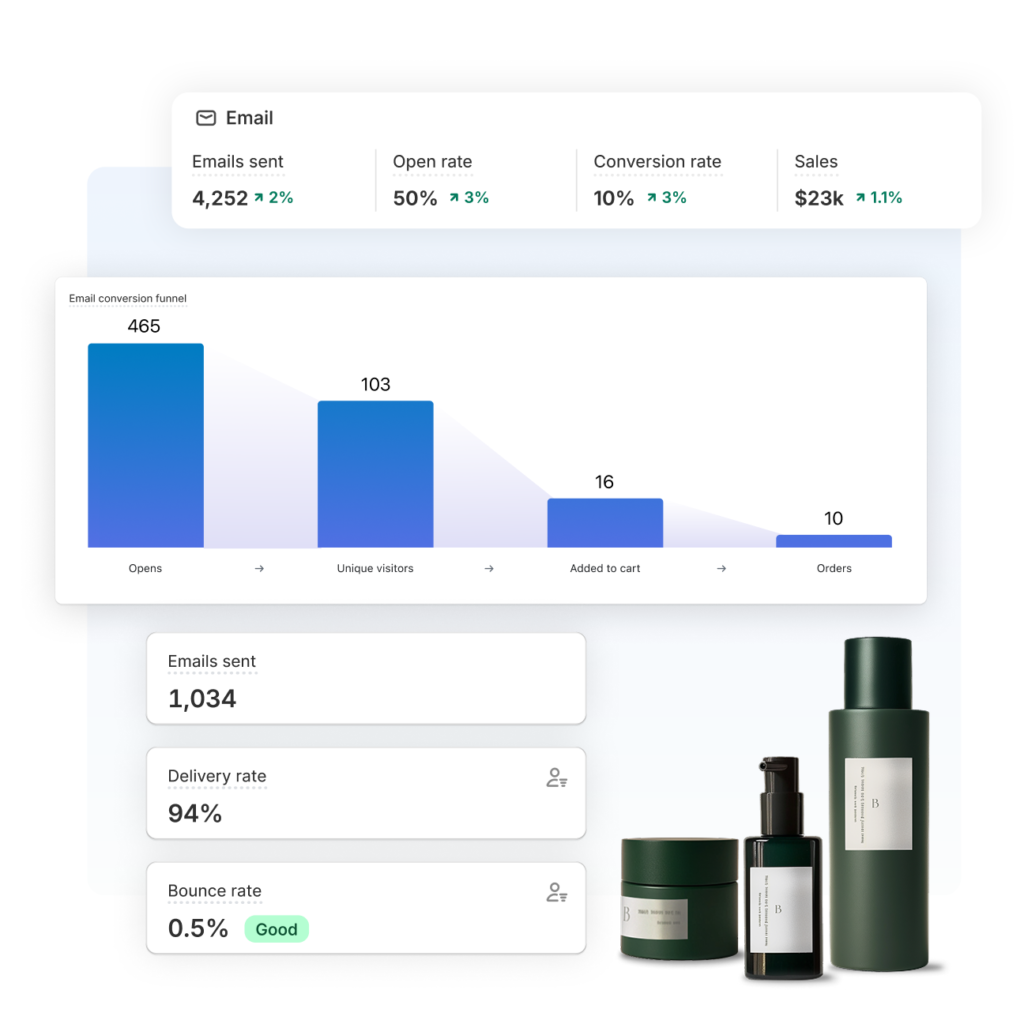
Best for: every Shopify store. Turn it on today.
The 7 tools at a glance
| Tool | Paid plan from | Free tier | Channels | Platforms | Best for |
|---|---|---|---|---|---|
| Klaviyo | $20/mo | 250 profiles, 500 emails/mo | Email, SMS, push, WhatsApp | Shopify, WooCommerce, BigCommerce | Growing stores |
| Omnisend | $16/mo | 250 contacts, 500 emails/mo | Email, SMS*, push | Shopify, WooCommerce, BigCommerce, Wix | New small stores |
| Recart | $299/mo | None (7-day trial) | SMS, Messenger | Shopify only | High-volume DTC brands |
| Retainful | $14/mo | 500 emails/mo, all features | Email, WhatsApp | Shopify, WooCommerce | WooCommerce stores |
| Callsy | $29/mo | 10 calls/mo | AI voice, SMS | Shopify, WooCommerce | High-value carts |
| Tidio (Lyro) | $29/mo + Lyro from $39/mo | 50 chats/mo, 50 Lyro once | Live chat, AI chat | Shopify, WooCommerce, Wix | Pre-abandonment help |
| Shopify Messaging | $0 (10k emails free) | 10,000 emails/mo | Email, SMS, WhatsApp | Shopify only | Every Shopify store, day one |
*Omnisend SMS is Pro-only for accounts created after 4 May 2026.
Email vs SMS vs WhatsApp vs AI voice: what each recovered order costs
Maths on published benchmarks — vendor figures, as a planning band.
- Email costs next to nothing: $0 on a free plan, about $0.004 a send on Klaviyo’s $20 plan. At Klaviyo’s 3.33% placed-order rate, 100 recovery emails produce about 3 orders for roughly $0.40; at Omnisend’s 1.72%, about 2.
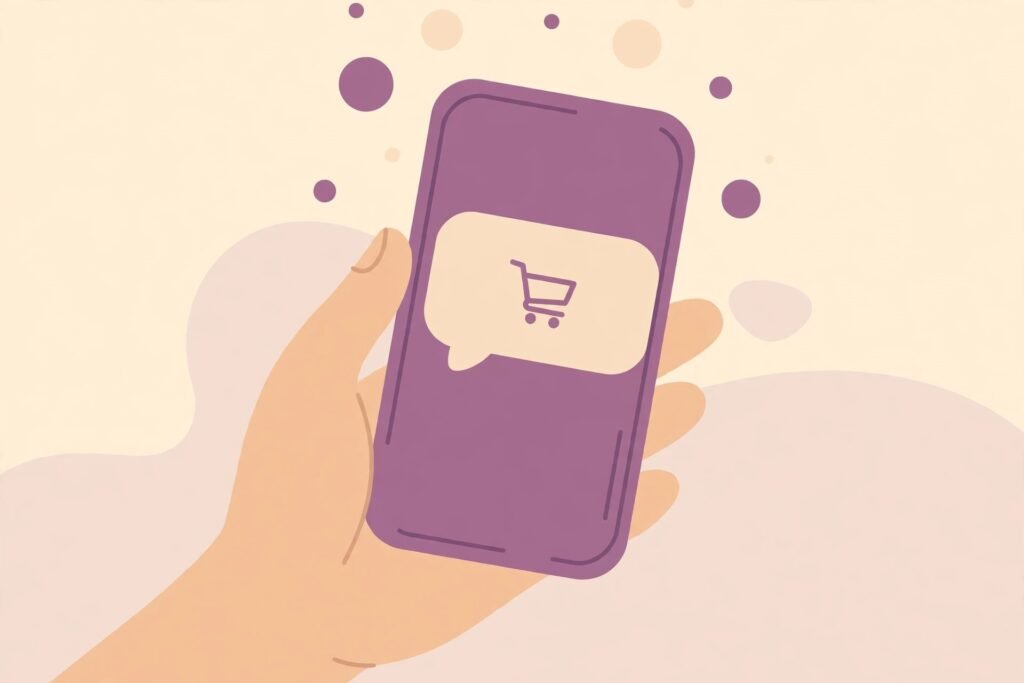
- SMS costs about $0.007–$0.012 per message and converts better: Postscript’s 2026 benchmarks put SMS cart recovery at 3.97–7.84%. Send 100 texts at $0.01 each and at a 5% conversion rate you get 5 orders — about $0.20 of message cost per recovered order. The catch: only text people who gave written consent.
- WhatsApp sits between the two on cost and above both on attention — Retainful quotes 70–80% open rates — and you pay Meta’s conversation charges directly.
- AI voice is the most expensive per contact and the most persuasive. Callsy’s Starter plan works out at $0.58 per call; if one call in five recovers a $60 order, that’s about $2.90 per recovered order. Reserve voice for high-value carts.
Build in this order: email, then SMS, then WhatsApp, then voice.
Which tool fits your store?
- Solo Shopify store, just starting out: Shopify Messaging (free, already there) plus Omnisend’s free plan when you want a real multi-step flow. Total: $0.
- WooCommerce store: Retainful free, then $14 a month when you pass 500 emails. Add Omnisend if you want SMS and push as well.
- Store doing around $50k a month: Klaviyo for email and SMS, Callsy Starter for your top 50 carts a month, and Tidio Growth with Lyro if pre-sale questions are leaking sales.
- Store on Wix or BigCommerce: Omnisend or Tidio — both integrate natively.
More in our e-commerce pillar guide and About page.
The compliance sidebar (read this before you text anyone)
This isn’t legal advice — it’s the checklist that keeps a small store out of trouble. SMS and AI voice calls in the US need prior express written consent. A phone number typed at checkout is not enough. Get a clear, signed opt-in and keep the record; violations carry $500–$1,500 in statutory damages per message or call. Only message between 8am and 9pm in the recipient’s local time, and honour STOP replies immediately. WhatsApp needs opt-in too — Shopify now collects WhatsApp marketing consent at checkout, so turn that on first. If you sell to the EU, disclose the AI: under the EU AI Act, a person must be told at the start that they’re speaking to an AI voice agent. Consent is per channel.
Worked example: what recovery is actually worth to you
Take a store with 100 abandoned carts a month and a $60 average order. No tool recovers all of it — 42% were only browsing (Baymard) — so say 60 of the 100 carts have a reachable email address. A three-email flow at Klaviyo’s 3.33% recovers about 2 orders: $120 a month. At Omnisend’s 1.72%, about 1 order: $60 a month. Either way, a free plan covers it.
Now add SMS. Say 40 gave SMS consent. At a 5% conversion rate (the middle of Postscript’s 3.97–7.84% band), that’s 2 more orders: $120 a month. Now the expensive end: take your 10 highest-value carts — $150 each — and let Callsy call them. If 2 of 10 come back, that’s $300 recovered against $29. Run your own numbers: abandoned carts × share reachable × conversion rate × average order value.
FAQ
Can a small business recover abandoned carts for free?
Yes. Shopify Messaging gives you 10,000 free emails a month; Omnisend’s free plan covers 500; Retainful’s free plan covers 500 with all features. Under 100 abandoned carts a month, email recovery costs $0.
How many follow-up messages should I send?
Two or three emails: the first 2–4 hours after checkout starts, the second 20–48 hours later, an optional third a day or two after that. The first should never carry a discount — just a reminder with the cart contents. Save incentives for the last message, for first-time buyers only.
When should I offer a discount in a recovery message?
Only in the last message, only to first-time buyers, and only if your margin allows it — a 10% code on a $60 order costs $6 to win back a sale a reminder alone might have won.
Do these tools work on WooCommerce, or only Shopify?
Retainful, Omnisend, and Klaviyo have native WooCommerce integrations; Tidio and Callsy plug into WordPress too. Recart and Shopify Messaging are Shopify-only.
Email, SMS, or AI voice — which should I set up first?
Email, always — biggest reachable audience, lowest cost, best-documented returns (1.72% to 3.33% of recipients placing an order in vendor benchmarks). Add SMS with written consent; AI voice only for high-value carts.
Will an AI voice call annoy my customers?
It can, which is why consent and disclosure matter more than the script. Only call people who agreed to be contacted, say upfront the caller is an AI assistant, keep it short, and offer a human handoff. Callsy claims disclosed AI calls perform within 3% of undisclosed ones — its claim.
The bottom line
Take the order, not the shopping list: free email recovery this week, then SMS, then voice — each step only when the previous one is paying for itself. For most small stores that means Shopify Messaging or Retainful free on day one, Omnisend for a stronger free flow, Klaviyo when your list grows, and Callsy for the carts worth a phone call. Recart is a good product at a price most small stores shouldn’t pay yet, and Tidio earns its place by answering the questions that stop carts being abandoned.
Set the flow up now and check the recovered-revenue report after Black Friday weekend.
Enjoying ToolsBizAI guides?
Add us as a Preferred Source on Google — you'll see our latest tools and guides first in Search, Top Stories, and AI Overviews.
Get One Useful AI Tool Tip Every Week

We’re the team behind ToolsBizAI. We hands-on test AI tools for small businesses — signing up for free plans, taking real screenshots, and fact-checking every claim before publishing. Our guides cover marketing, customer support, and day-to-day operations.